
A Guide to Cabinet Hardware: Placement, Styles, and Design Tips
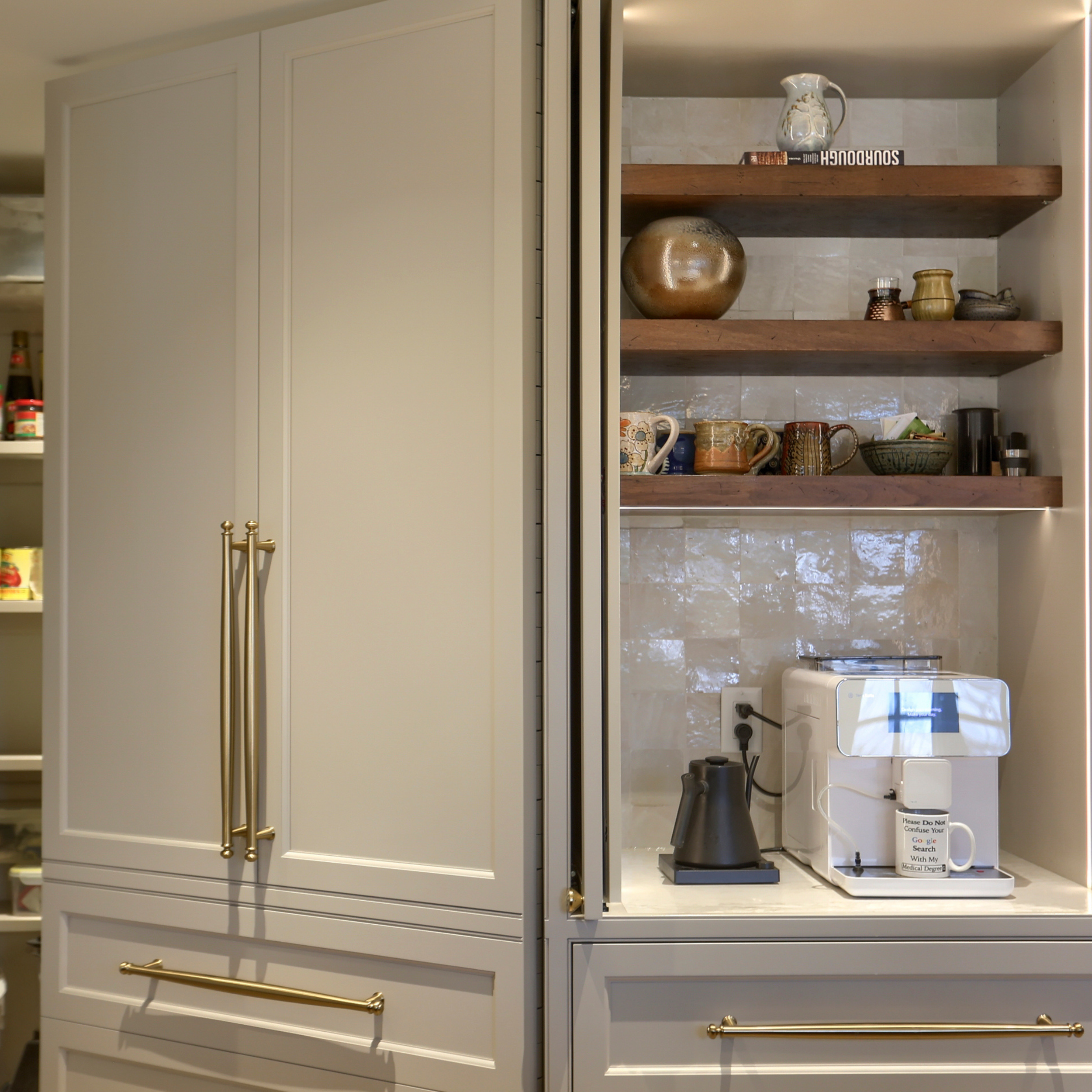
When designing a kitchen, bathroom, or built-in cabinetry, most of the big decisions get a lot of attention - cabinet styles, countertops, appliances, and layout. But one detail that often has an outsized impact on the final look is hardware.
Cabinet knobs, pulls, and door hardware are sometimes described as the “jewelry of the home.” These small details bring the design together while also serving an important functional role. Choosing the right style is important, but placement, scale, and finish coordination are just as critical.
At Connor Design Build, we help homeowners think through these details so their cabinetry feels polished, balanced, and easy to use. Here’s a guide to understanding your options.
Cabinet Hardware Styles
There are several types of cabinet hardware, each with a slightly different design aesthetic and functional purpose:
Knobs
Knobs are one of the most versatile hardware options and come in a wide range of shapes, finishes, and sizes. They work especially well on cabinet doors and smaller drawers.
Common placement guidelines:
Upper Cabinets: Install knobs about 2½–3 inches from the lower corner of the cabinet door.
Lower Cabinets: Position knobs about 2½–3 inches from the upper corner.
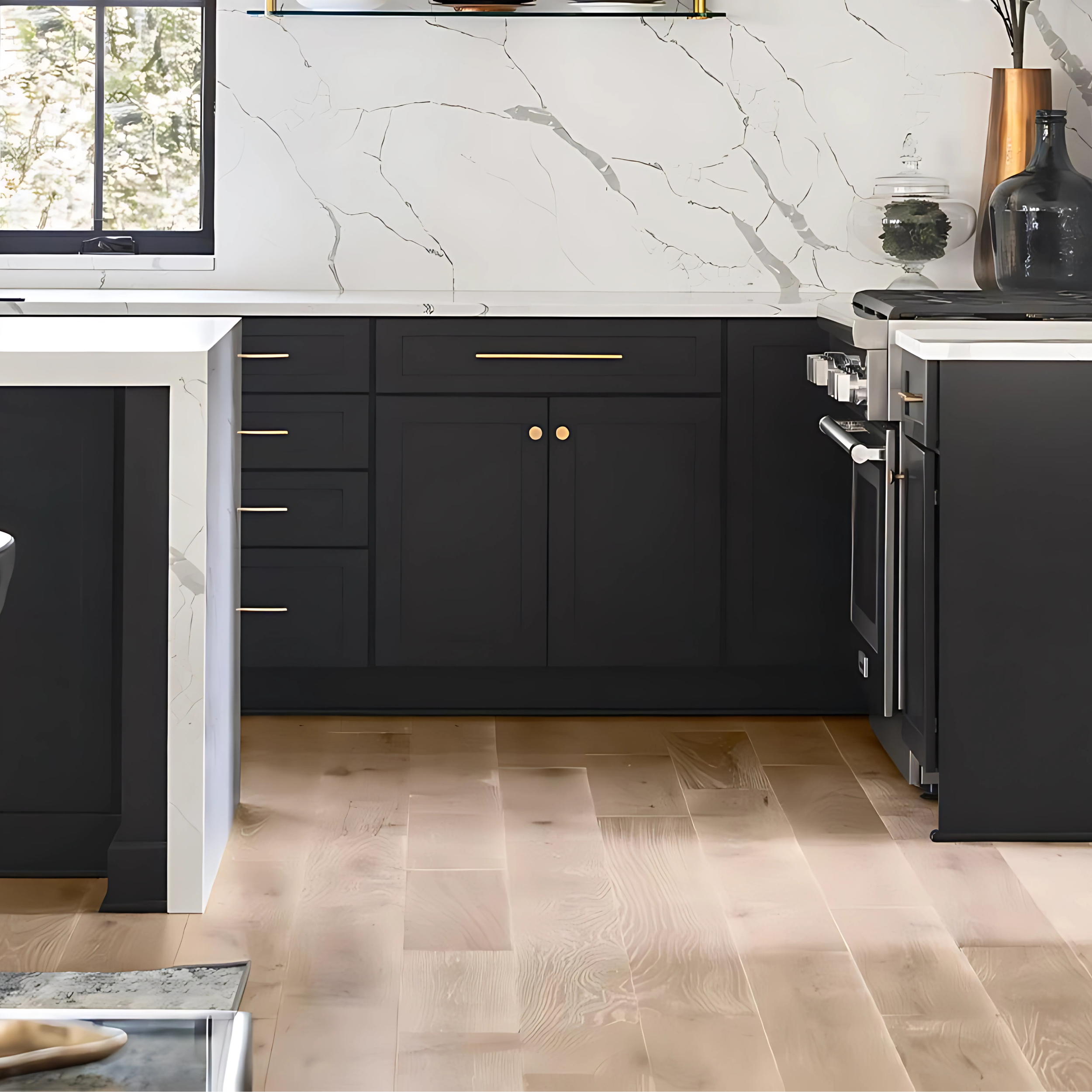
Small Drawers (under 24"): One knob centered on the drawer front.
Large Drawers (over 24"): Two knobs spaced evenly across the drawer front.
Knobs are a great option if you're looking for a simple, timeless look.
Pulls
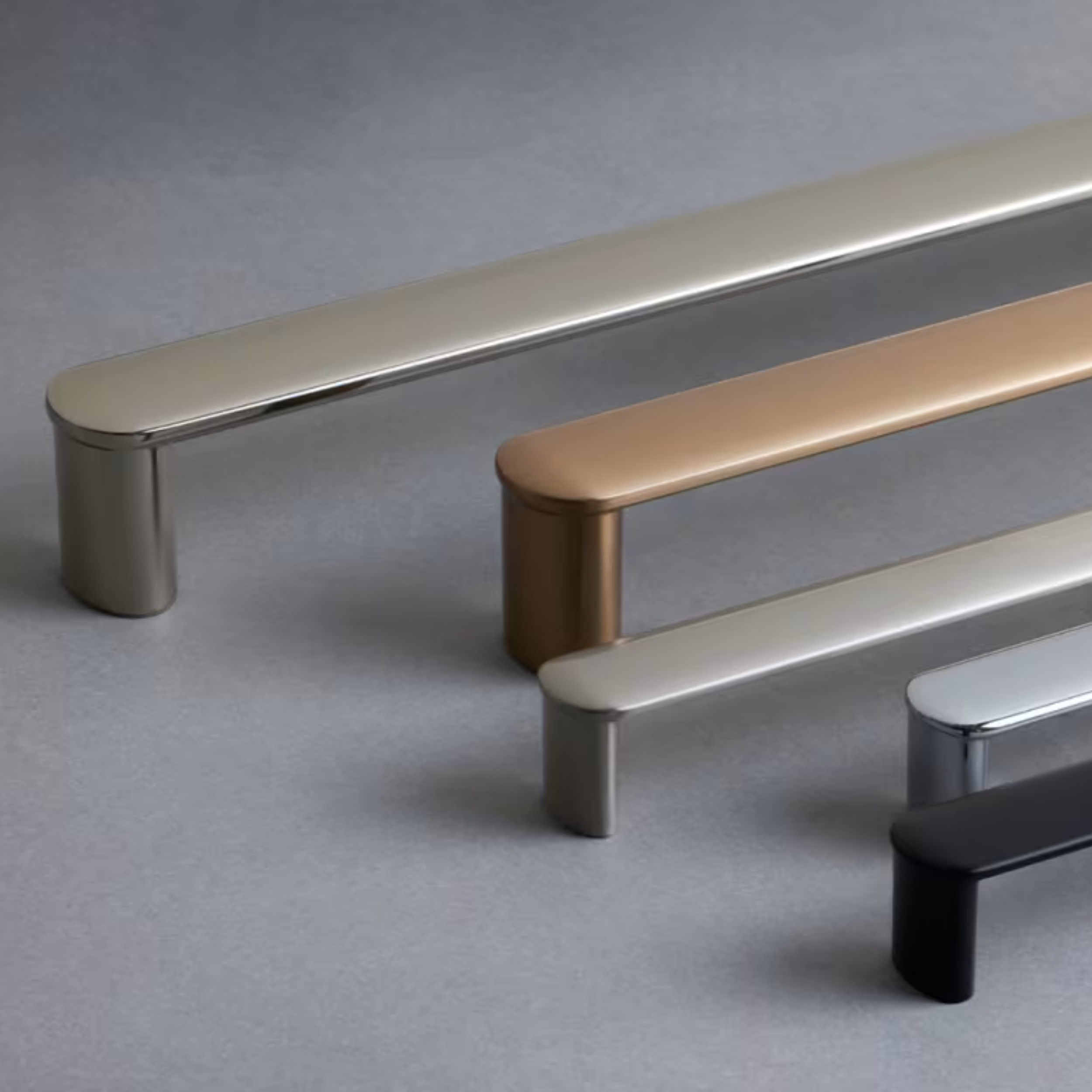
Pulls are another extremely popular option and are often preferred for drawer fronts because they provide a comfortable grip.
Typical placement:
Cabinet Doors: Installed vertically along the stile, about 2½–3 inches from the corner.
Drawers: Installed horizontally and typically centered on the drawer front.
Longer pulls can be used on larger drawers or tall cabinet doors to create a more modern, proportional look.
Cup Pulls
Cup pulls are commonly used in traditional or transitional kitchens and are most often installed on drawers. They provide a slightly more decorative look while still feeling classic and functional. For wider drawers, designers may choose to install two cup pulls for balance and symmetry.
Edge Pulls
Edge pulls are a favorite in modern or minimalist cabinetry designs. These pulls sit along the edge of the cabinet door or drawer, creating a clean, streamlined appearance without interrupting the face of the cabinetry.
Common placements include:
Drawers: Along the top edge
Upper Cabinets: Vertically along the door edge
Lower Cabinets: Installed horizontally along the top edge
Edge pulls are ideal when the goal is a sleek, understated design.
Appliance Pulls
Appliance pulls are designed for larger panels or integrated appliances, such as:
Panel-ready refrigerators
Dishwashers
Large pantry doors
Because these doors are heavier, appliance pulls are typically longer and sturdier, helping distribute weight more comfortably when opening.
Understanding Cabinet Anatomy
When placing hardware, it helps to understand the basic parts of a cabinet door.
Most cabinet doors are made up of:
Stiles – the vertical frame pieces
Rails – the horizontal frame pieces
Panel – the center section of the door
Hardware is most often installed along the stiles or rails, which provides the strongest support and maintains consistent alignment across cabinetry.
Placement Tips for Cabinet Doors
While personal preference always plays a role, there are a few standard guidelines designers often follow.
Upper Cabinets
Hardware is typically installed on the lower corner of the door, making it easy to reach.
Lower Cabinets
Hardware is generally placed on the upper corner, again prioritizing accessibility and consistency.
This simple shift helps ensure cabinet doors feel natural to open throughout the space.
Drawer Hardware Placement
Drawers offer a bit more flexibility depending on the look you want.
For smaller drawers, you can use:
One centered knob
One centered pull
For larger drawers, designers may choose:
Two knobs
Two pulls
One longer pull
An appliance-style pull
The key is maintaining proportion and visual balance across the cabinetry.
Design Tip: Think Beyond Individual Pieces
One of the biggest mistakes homeowners make is selecting hardware piece by piece instead of thinking about the overall design story.
When selecting hardware, consider:
Finish coordination across the entire home
Matching door hardware with cabinet hardware
Consistent sizing and proportions
Balance between statement pieces and subtle details
For example, warm finishes like brass and bronze pair beautifully with natural materials such as wood and stone, while matte black and polished nickel can create a more modern or transitional aesthetic.
Hardware Trends Designers Are Loving Right Now
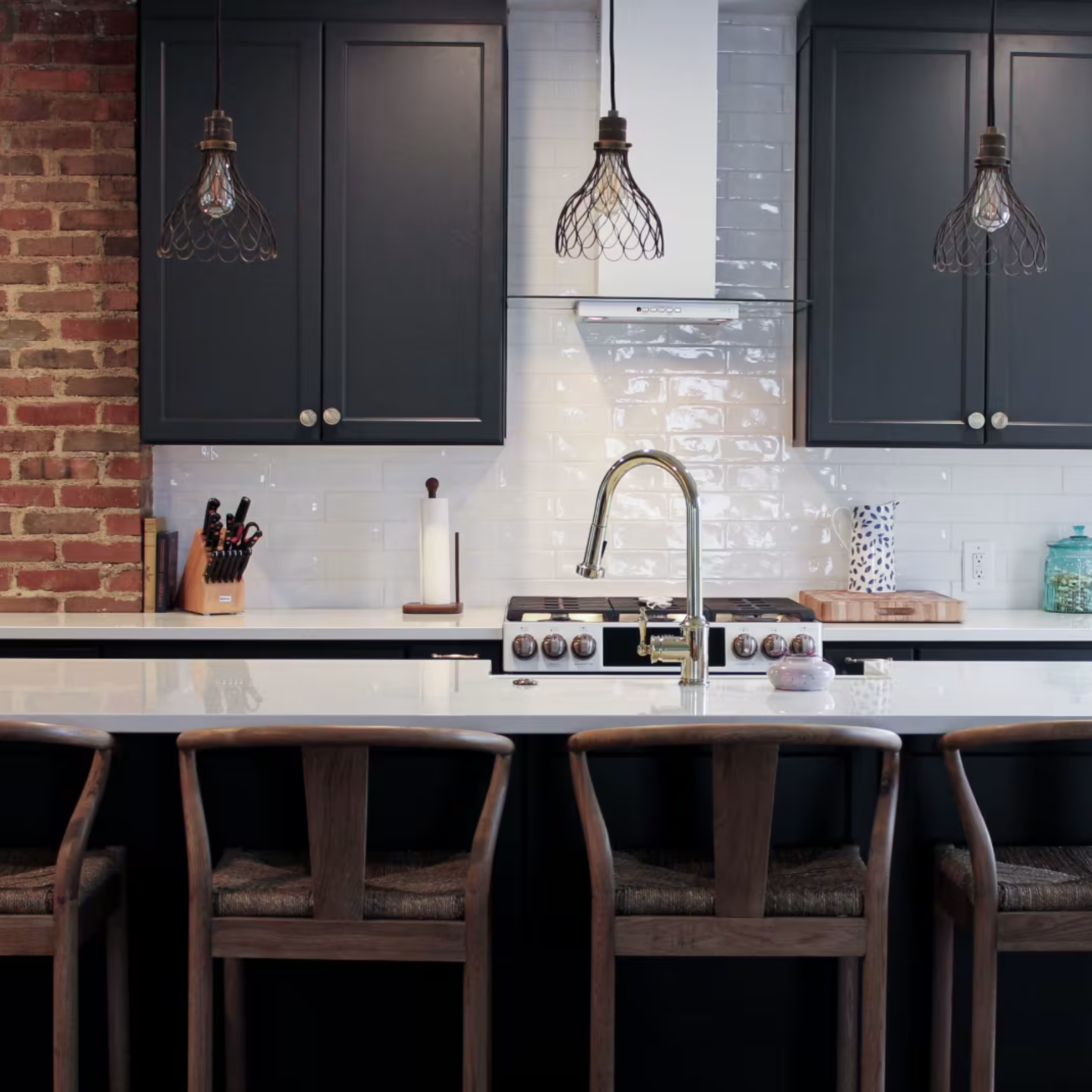
While classic styles never go out of fashion, a few trends have been especially popular in recent years:
Warm metallic finishes
Unlacquered brass, antique brass, and oil-rubbed bronze are increasingly popular for their warmth and character.
Mixing finishes throughout the home
Designers are becoming more comfortable mixing metals across different rooms to create layered, personalized interiors.
Minimalist profiles
Clean-lined hardware with concealed fasteners is trending in both modern and transitional spaces.
Statement entry hardware
Oversized door pulls and entry sets are becoming a focal point for front doors.
Small Details, Big Impact
Hardware may seem like a small detail, but it can dramatically influence how a space feels.
The right combination of style, placement, and finish can elevate cabinetry, reinforce your design aesthetic, and improve everyday usability.
At Connor Design Build, we work closely with homeowners, designers, and builders to help select hardware that complements the entire design, from cabinetry and doors to windows and architectural details.
Because when every element works together, the result is a space that feels intentional, refined, and truly complete.
